Best Practices for Designing Versatile Assembly Fixtures for Any Project
Understanding the Fundamentals of Assembly Fixtures
Defining Assembly Fixtures and Their Role in Manufacturing
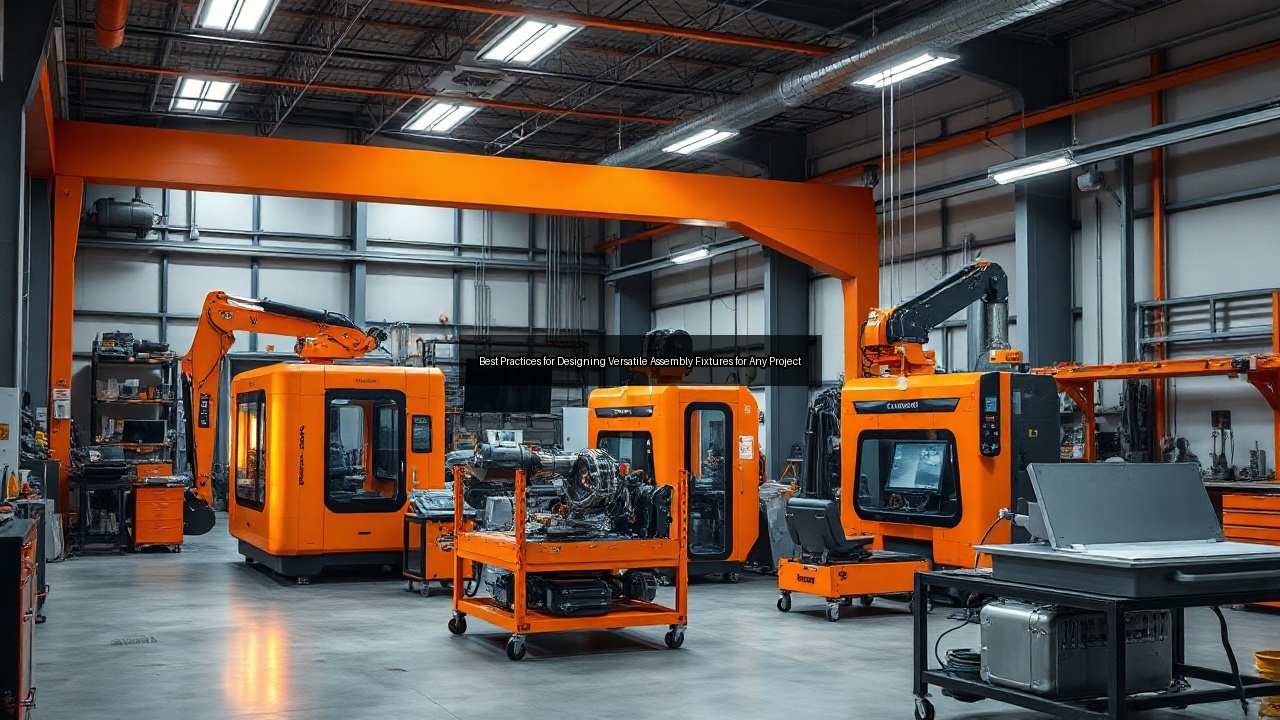
Assembly fixtures serve as essential tools that hold components securely during manufacturing processes, ensuring precise alignment and repeatable results across production runs. These devices streamline assembly tasks by minimizing errors and supporting consistent quality in everything from small prototypes to large-scale operations. Engineers rely on well-designed fixtures to integrate jigs that guide tools accurately, reducing waste and accelerating throughput. In automotive and aerospace sectors, fixtures enable efficient handling of complex assemblies while maintaining tight tolerances. Proper application of assembly fixtures boosts overall productivity by allowing workers to focus on value-added steps rather than constant adjustments. This foundational approach supports versatile projects where multiple part variations must fit together seamlessly without custom setups for each run.
Types of Assembly Fixtures and Their Applications
Modular assembly fixtures adapt to various project needs through interchangeable components, while dedicated fixtures suit high-volume runs in industries like automotive manufacturing. Welding fixtures clamp parts for accurate joins, and soldering fixtures stabilize delicate electronics assemblies. Jig-style fixtures guide drilling or milling operations, whereas general-purpose designs incorporate quick-change hardware for flexibility across different assemblies. Applications range from wire harness routing to precision diamond tooling setups in machining centers. Versatile options handle both low-volume engineering prototypes and mass production, incorporating elements like threaded inserts for repeated use. Selecting the right type depends on the specific assembly requirements, ensuring the fixture supports all necessary operations without compromising speed or accuracy during layout and final integration.
Key Components of Effective Fixtures
Effective assembly fixtures combine robust bases, locators, clamps, and supports to create stable platforms for any project. Locators position parts precisely, while clamps apply even pressure without distortion, and supports prevent deflection under load. Hardware elements such as threaded inserts allow quick reconfiguration, and integrated tooling mounts accommodate drills, mills, or other tools during operations. Heat-resistant materials protect fixtures exposed to welding or soldering processes, extending service life. Designers incorporate diamond coatings on contact surfaces for wear resistance in high-abrasion environments. These components work together to enhance fixturing reliability, enabling seamless transitions between different assemblies. Attention to each element ensures the fixture delivers consistent performance while supporting productivity goals throughout manufacturing cycles.
Design Considerations for Versatile Assembly Fixtures
Incorporating Tooling and Hardware for Enhanced Performance
Versatile assembly fixtures integrate specialized tooling and hardware to handle diverse operations without major redesigns. Adjustable mounts accommodate milling cutters and drilling bits, while quick-release hardware speeds part changes during production. Engineers select durable components that withstand repeated cycles in automotive assembly lines or custom engineering projects. Threaded inserts embedded in the fixture body provide secure attachment points for clamps and locators, reducing setup time. Proper hardware choices also support integration with existing tool inventories, allowing teams to reuse standard jigs across multiple fixture variants. This approach maximizes flexibility and maintains high productivity by minimizing downtime between different assembly tasks. Thoughtful incorporation of these elements creates fixtures that adapt to evolving project demands while preserving precision and structural integrity.
Utilizing 3D Printing Technology in Fixture Design
3D printing technology transforms fixture design by enabling rapid creation of complex geometries that traditional machining cannot achieve economically. Engineers use 3D printers to produce lightweight yet strong components for assembly fixtures, incorporating internal channels for coolant flow or weight reduction. SLS processes deliver high-detail 3D printed parts suitable for functional testing before full-scale production. 3D print prototypes allow quick iteration on layouts that accommodate unique assemblies, including features for welding or soldering operations. This method cuts lead times dramatically compared to conventional fabrication and supports customization for low-volume runs. When combined with standard hardware, 3D printed elements create hybrid fixtures that balance cost and performance. Adoption of 3D printing expands design possibilities while maintaining the durability required for demanding manufacturing environments.
Designing for Heat Resistance and Durability
Fixtures exposed to welding, soldering, or high-speed machining require materials and coatings that resist heat degradation and mechanical wear. Designers specify heat-treated alloys or ceramic inserts to maintain dimensional stability when temperatures rise during assembly operations. Protective diamond coatings on wear surfaces extend fixture life substantially in abrasive conditions. Proper ventilation features and thermal breaks prevent distortion that could compromise accuracy across repeated cycles. Durability considerations also include corrosion resistance for fixtures used in humid or chemical-heavy manufacturing settings. These design choices ensure reliable performance over thousands of assemblies while supporting sustained productivity. Balancing heat management with structural strength results in versatile fixtures that handle demanding projects without frequent replacement or recalibration.
Best Practices for Fixture Layout and Machining
Optimizing Fixture Layout for Productivity
Effective fixture layout positions locators, clamps, and supports to minimize operator movement and maximize access during assembly operations. Engineers analyze part geometry first to determine optimal clamping sequences that avoid interference with drilling or milling tools. Clear sight lines and ergonomic access points reduce fatigue and speed throughput in high-volume environments. Modular layout strategies allow quick swaps between different assemblies without full fixture rebuilds. Strategic placement of threaded inserts facilitates future modifications as project requirements evolve. This optimization directly increases productivity by shortening cycle times and lowering error rates. Teams that document layout decisions create reusable templates that accelerate design for subsequent fixtures across manufacturing programs.
Selecting the Right Tools for Drilling and Milling
Choosing appropriate tools for drilling and milling operations within assembly fixtures ensures clean holes and precise surfaces without damaging the fixture itself. Carbide end mills and coated drill bits handle tough materials while maintaining tolerances required for accurate assemblies. Fixture designs incorporate hardened bushings or guides that protect locating features during repeated tool contact. Engineers match tool geometry to the specific machining tasks, whether creating mounting holes or finishing critical mating surfaces. Proper tool selection reduces vibration and heat buildup, preserving both part quality and fixture longevity. Integration with existing tool libraries supports cost-effective operations across varied projects. Consistent application of these best practices keeps machining cycles efficient and supports overall productivity targets in any manufacturing setting.
Implementing Threaded Inserts for Secure Assembly
Threaded inserts provide reliable, reusable attachment points that withstand repeated torque cycles in assembly fixtures. Designers embed these inserts during initial fabrication or retrofit them into existing fixtures to extend service life. Proper installation techniques prevent pull-out under load, maintaining clamping force throughout production runs. Inserts made from hardened steel or stainless alloys suit demanding environments involving heat from welding or soldering. Strategic placement allows flexible positioning of clamps and locators as different assemblies move through the fixture. This implementation reduces maintenance needs and supports quick changeovers that boost productivity. Careful selection and placement of threaded inserts contribute to long-term fixture versatility while controlling overall project costs through reduced downtime and replacement frequency.
Integration of Technology in Fixture Design
Leveraging Software Tools for Fixture Design
Modern software tools enable precise modeling of assembly fixtures before any physical fabrication begins. Engineers use CAD platforms to simulate clamp forces, tool paths, and part interactions within the proposed layout. Parametric design features allow rapid adjustments when project specifications change, supporting versatile fixture families. Integration with CAM software generates accurate toolpaths for drilling and milling operations directly from the fixture model. These digital workflows reduce errors and shorten development timelines significantly. Teams document design intent within the software for future reference and knowledge transfer. Adoption of these tools enhances engineering efficiency while ensuring fixtures meet exacting requirements for productivity and repeatability across manufacturing applications.
The Impact of Automation and Robotics on Assembly Fixtures
Automation and robotics transform how assembly fixtures interface with production systems by requiring standardized mounting interfaces and sensor integration points. Fixtures designed for robotic loading incorporate locating features that align precisely with end-effectors, minimizing positioning errors during high-speed operations. Robotic cells benefit from fixtures that accommodate quick tool changes for milling or drilling tasks without manual intervention. This integration raises overall equipment effectiveness and supports lights-out manufacturing in automotive and electronics sectors. Engineers must consider payload limits and cycle times when designing fixtures for automated environments. The result is higher productivity with reduced labor costs and improved consistency across large volumes of assemblies.
Using Simulation Software to Test Fixture Performance
Simulation software allows engineers to validate fixture designs under realistic operating conditions before committing to production. Finite element analysis predicts deflection under clamping loads and thermal expansion during welding or soldering processes. Kinematic simulations verify that tool paths remain unobstructed throughout drilling and milling sequences. Engineers iterate designs digitally to optimize layout for maximum productivity while identifying potential failure modes early. These virtual tests reduce physical prototyping expenses and accelerate time-to-market for new assembly fixtures. Data from simulations informs material selections and hardware placements that enhance long-term durability. Consistent use of simulation tools strengthens engineering decisions and delivers fixtures that perform reliably across diverse manufacturing projects.
Cost Management and Efficiency in Assembly Fixture Projects
Evaluating Cost vs. Benefit in Fixture Design
Successful fixture projects balance upfront design and fabrication expenses against long-term gains in productivity and quality. Engineers calculate return on investment by factoring reduced scrap rates, faster cycle times, and lower labor requirements across anticipated production volumes. Versatile fixtures that accommodate multiple assemblies deliver higher value than single-purpose designs, spreading costs over broader applications. Detailed cost modeling includes tooling wear, maintenance intervals, and potential downtime for reconfigurations. Projects that prioritize durability and flexibility often achieve superior overall economics despite higher initial investment. Regular reviews of cost versus benefit data guide decisions on whether to standardize certain fixture elements or pursue custom solutions for specific manufacturing challenges.
Strategies for Reducing Costs Without Compromising Quality
Teams reduce fixture costs by standardizing common components such as clamps, locators, and threaded inserts across multiple designs. 3D printing enables low-cost iteration on non-critical features while preserving precision-machined elements where accuracy matters most. Material substitutions that maintain heat resistance and strength help control expenses without sacrificing performance. Outsourcing non-core machining operations to specialized vendors can lower capital requirements for in-house equipment. Designers also minimize complexity by eliminating unnecessary features that add little value to assembly operations. These strategies preserve fixture quality while improving project economics and supporting sustained productivity in competitive manufacturing environments.
Maximizing Productivity Through Efficient Fixture Use
Efficient fixture use begins with standardized operating procedures that train operators on optimal clamping sequences and tool handling practices. Regular maintenance schedules prevent unexpected failures that disrupt assembly lines and reduce output. Tracking key performance metrics such as setup time, cycle time, and defect rates identifies opportunities for continuous improvement. Cross-training personnel on multiple fixture types increases flexibility during production surges. Integration with broader manufacturing systems allows real-time monitoring that supports proactive adjustments. Organizations that treat fixtures as strategic assets rather than simple tools achieve measurable gains in overall equipment effectiveness. This focus on efficient utilization delivers lasting productivity advantages across any project involving assembly fixtures.
See Also
- The Future of Automotive Production with 3D Printed Assembly Tools
- Unlocking the Potential of Threaded Inserts in Assembly Processes
- Revolutionizing Manufacturing Efficiency with Advanced Assembly Fixtures
- The Impact of Software on Assembly Fixture Development
- Exploring the Role of Jigs in Modern Manufacturing Techniques